

You have chosen a beautiful bottle, opened it with care, and poured it into a fine glass — yet something is off. The reds feel heavy and alcoholic; the whites taste flat and muted. More often than not the culprit is not the wine at all. It is the temperature. Most reds are served too warm and most whites too cold, and correcting that costs nothing.
Quick answer
- Sparkling and Champagne: 6–8 °C.
- Light, crisp whites: 7–10 °C. Full-bodied whites: 10–13 °C.
- Rosé: 8–11 °C.
- Light reds: 12–14 °C. Full-bodied reds: 15–18 °C — not room temperature.
- Rule of thumb: give a red 15 minutes in a cooler, and take a white out of the fridge 10–15 minutes before pouring.
Why serving temperature matters so much
 Temperature governs two things that define how a wine is perceived: the release of its aromas and the balance of its components. Aromas are volatile — they evaporate and reach your nose faster when warm, slower when cold. A wine served too cold locks its aromas away; a wine served too warm releases them all at once, alongside a rush of alcohol that drowns out subtlety.
Temperature also shifts the balance on the palate. Warmth emphasises alcohol and body, making a red feel heavy and hot. Cold emphasises acidity and tannin, making a white feel sharp or a red austere and bitter. The right temperature is the point where fruit, acidity, structure and aroma are all in proportion.
The two most common mistakes come from old habits: serving red at “room temperature”, a phrase from an era of far cooler houses, and serving white straight from a cold fridge, where it is so cold its flavours disappear.
The ideal serving temperature by wine type
The lighter and more delicate the wine, the cooler it should be served; the fuller and more structured, the warmer.
| Wine style | Temperature | Examples |
|---|---|---|
| Sparkling and Champagne | 6–8 °C / 43–46 °F | Champagne, Cava, Prosecco |
| Light, crisp whites | 7–10 °C / 45–50 °F | Sauvignon Blanc, Pinot Grigio, Albariño |
| Full-bodied whites | 10–13 °C / 50–55 °F | Oaked Chardonnay, white Rioja |
| Rosé | 8–11 °C / 46–52 °F | Provence rosé, dry rosés |
| Light reds | 12–14 °C / 54–57 °F | Pinot Noir, Gamay |
| Full-bodied reds | 15–18 °C / 59–64 °F | Cabernet Sauvignon, Syrah, Rioja Reserva |
| Sweet and fortified | 6–12 °C / 43–54 °F | Sauternes, Port |
The real challenge: holding the temperature
 Reaching the right temperature is only half the battle. The harder part is holding it. A bottle brought perfectly to 8 °C will warm rapidly on a table on a summer evening, drifting out of range before you reach the second glass. An ice bucket helps, but it chills unevenly, drips, dilutes, and quickly takes a white past cold into flavourless.
This is where a precision cooler earns its place. The Grad No.1 Wine Cooler is rechargeable and cordless, brings a bottle to your chosen temperature and holds it there through the meal — no ice, no water, no dilution.
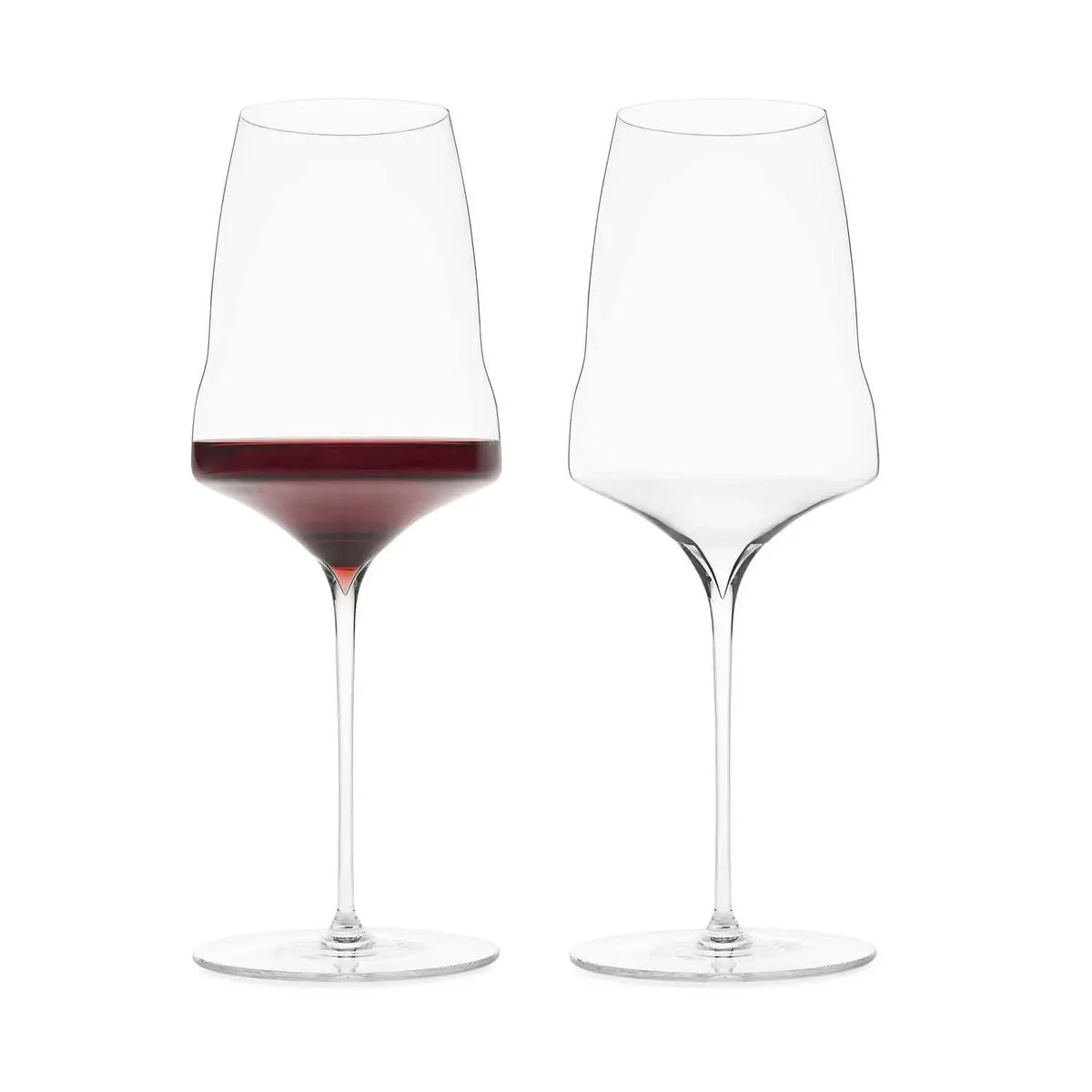
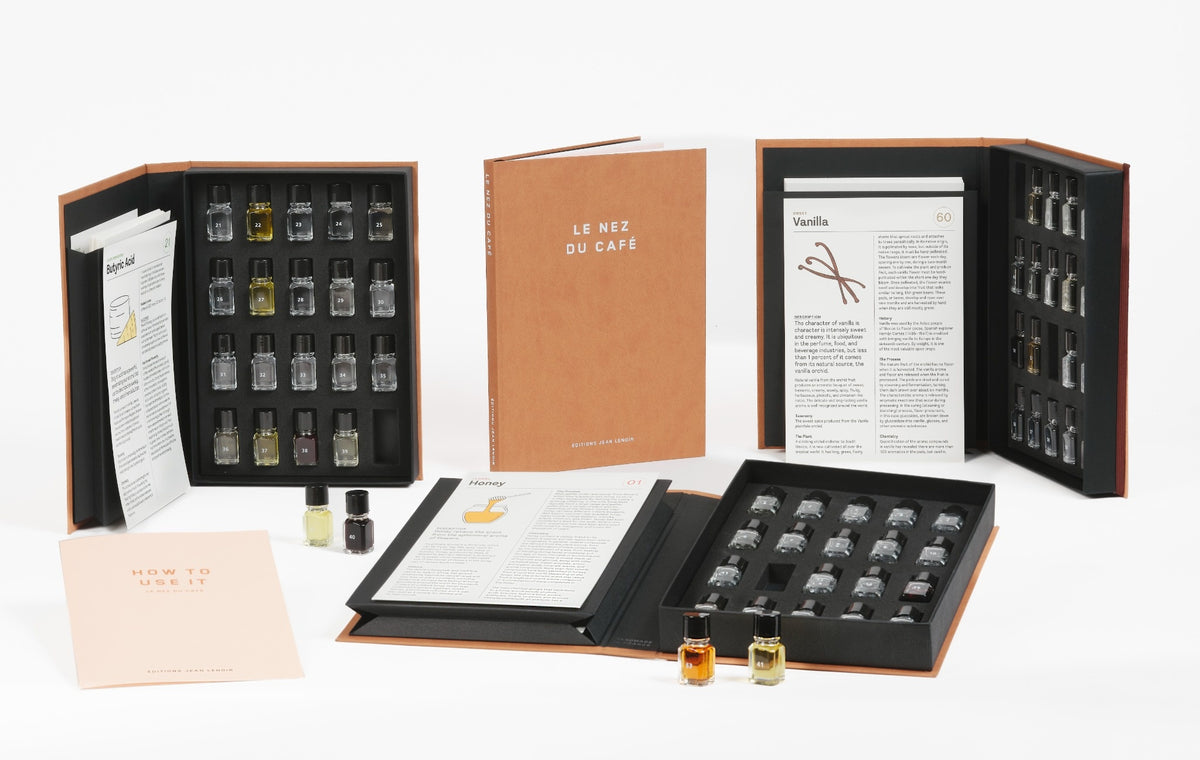
The glass matters too: a well-shaped glass like the JOSEPHINE No 2 Universal concentrates the aromas the correct temperature has unlocked. To choose the right shape, see our guide to wine glass shapes and crystal. And to learn to name those aromas once you can smell them, that is what a wine aroma kit is for.
A few practical tips
Chill down, warm up gently. It is easier to let a too-cold wine warm in the glass than to cool a too-warm one quickly. When in doubt, serve slightly cooler than target.
Mind the room. On a warm day wine warms fast. That is exactly when holding temperature matters most.
Decant at the right temperature. Decanting a red that is already too warm only accelerates the problem. Bring it into range first, then decant.
Do not over-chill sparkling. Very cold Champagne hides its complexity. A few minutes out of the ice lets a fine sparkling wine show what it can do.
Frequently asked questions
What is the correct temperature for red wine?
Between 12 and 14 °C for light reds such as Pinot Noir, and 15 to 18 °C for full-bodied reds such as Cabernet Sauvignon or Syrah. Not room temperature — a modern heated room is usually 21 °C or higher, well above any red's ideal range.
How long should white wine be out of the fridge before serving?
Ten to fifteen minutes. A domestic fridge runs at around 4 °C, which is several degrees below even the coolest recommended serving range.
Can you put red wine in the fridge?
Yes, briefly. Fifteen to twenty minutes in the fridge brings a red that is too warm back into range. It is the fastest correction available and does no harm.
Does temperature affect wine as much as the glass does?
They work on the same mechanism — both govern how aroma reaches your nose. Temperature decides which aromas are released at all; the glass decides how they are delivered. Getting the temperature wrong cannot be corrected by a better glass.
Why does warm red wine taste alcoholic?
Because ethanol is volatile and evaporates faster as temperature rises. Above about 18 °C the alcohol vapour dominates the aroma and the wine tastes hot and out of balance, even when it is not high in alcohol.
Is an ice bucket good enough?
For reaching temperature, yes. For holding it, less so — it chills unevenly, and a bottle left in ice keeps getting colder until the wine loses its aromatics entirely.
The difference it makes
Serving wine at the right temperature costs nothing and transforms everything. It is the simplest way to get more from every bottle you open — turning a good wine into a great experience, and a great wine into an unforgettable one.
Discover the Grad No.1 Wine Cooler →
Available at Wine World Tasters with worldwide shipping and a 60-day return policy. Questions about serving your favourite wines? Contact us — we are happy to help.
Share:
The Best Gifts for Wine Lovers: A Curated Guide for Every Occasion
The Right Glass for Every Wine: A Guide to Shapes, Crystal & Craft